Do you ever wake up with a dull ache in your jaw or a persistent headache that seems to start at your temples? You might blame stress or a poor night’s sleep, but the true culprit could be hiding in your mouth.
A “bad bite”, known in the dental world as malocclusion, is often a silent contributor to chronic facial pain. When your teeth don’t meet properly, your jaw muscles and joints have to work overtime to compensate. Over time, this constant strain leads to inflammation and significant discomfort.
The good news is that modern restorative dentistry offers more than just aesthetic fixes. It provides functional solutions designed to rebalance your mouth, align your jaw, and eliminate pain at the source.
Understanding the Connection Between Your Teeth and Jaw
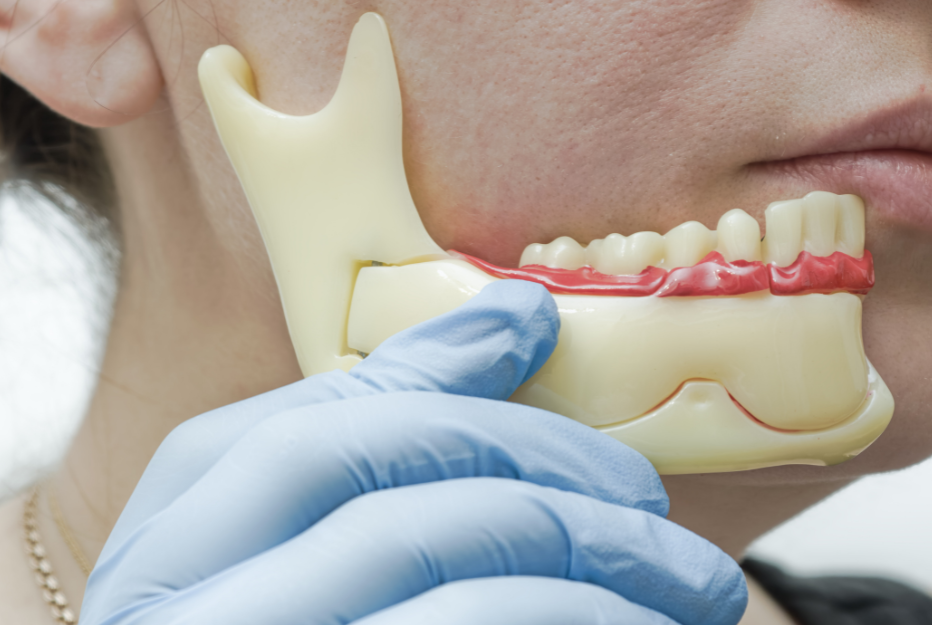
Your mouth is a complex system where teeth, muscles, and the temporomandibular joint (TMJ) work in harmony. When this system is balanced, you can chew, speak, and yawn without a second thought.
However, when even one tooth is out of alignment or missing, the entire system shifts. Your jaw must move unnaturally to find a comfortable resting position. This “compensation” is what leads to the clicking sounds and muscle fatigue many people experience daily.
By utilizing restorative dentistry techniques, dentists can rebuild the proper architecture of your mouth. This ensures that the force of your bite is distributed evenly across all your teeth, rather than overloading a single area.
Common Signs of a Hidden Bite Issue
Bite issues aren’t always obvious. You might have straight teeth but still suffer from a misaligned bite. Common symptoms that suggest your bite is “off” include:
- Frequent Headaches: Especially those felt in the morning or around the temples.
- Clicking or Popping: Noticing sounds when you open your mouth wide or chew.
- Uneven Tooth Wear: Teeth that look flattened, chipped, or shorter than they used to be.
- Sensitivity: Increased sensitivity to hot or cold without evidence of a cavity.
If you recognize these signs, it is essential to consult a professional to see if a bite adjustment could resolve your symptoms.
The Role of Restorative Dentistry in Pain Relief
The primary goal of restorative care is to return your mouth to its most functional and healthy state. It isn’t just about filling cavities; it is about engineering a bite that lasts a lifetime.
When we address these issues, we look at how the upper and lower arches interact. Through various procedures, we can restore the vertical dimension of your face, which often collapses when teeth are worn down or lost.
Key Restorative Treatments for Jaw Health
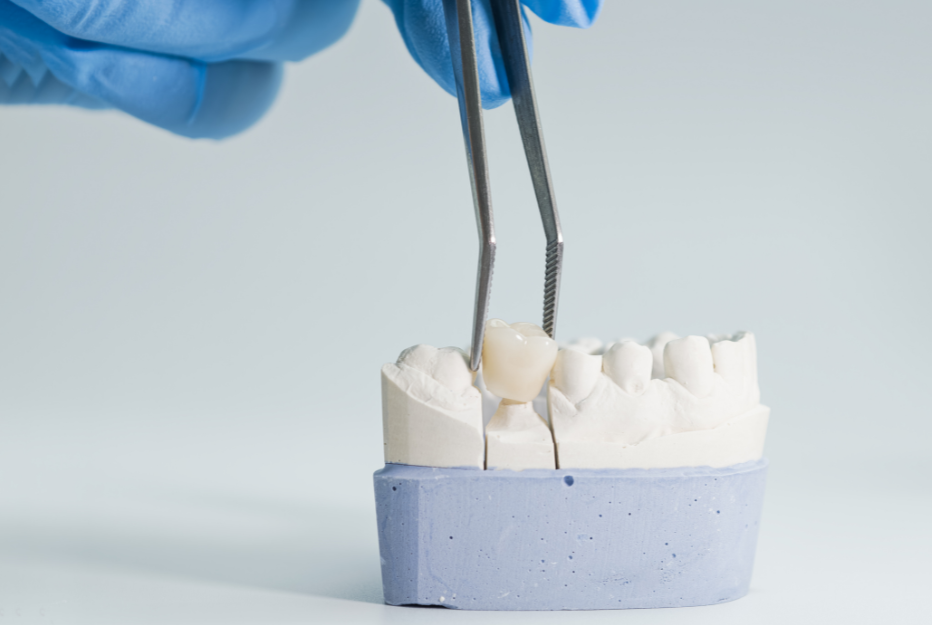
1. Dental Crowns and Inlays/Onlays
Years of grinding (bruxism) or acid erosion can wear down the enamel, making teeth shorter. This loss of height forces the jaw to close further than it should, putting pressure on the TMJ.
Dental crowns “rebuild” this lost height. By restoring the original shape and size of the tooth, we ensure the jaw closes in a neutral, relaxed position. Inlays and onlays provide a similar benefit for teeth that have less extensive damage.
2. Bridges and Dental Implants
A single missing tooth can trigger a domino effect. Neighboring teeth begin to tilt into the empty space, and the opposing teeth may “supra-erupt” or move out of their sockets.
This movement creates “high spots” in your bite. Dental implants and bridges fill these gaps, acting as anchors that keep your remaining teeth in their correct positions. This stability is vital for preventing “bite collapse.”
3. Occlusal Equilibration (Bite Adjustment)
Sometimes, the fix is as simple as a few minor adjustments. Occlusal equilibration involves the careful reshaping of the biting surfaces of specific teeth.
By removing tiny “high spots” where teeth touch prematurely, a dentist can ensure that all teeth meet at the exact same time. This balance immediately reduces the targeted pressure on the jaw joint and individual teeth.
Advanced Solutions: Oral Appliances and Splints
For many patients, the source of jaw pain is nocturnal grinding. Custom-made oral appliances, often called splints or night guards, act as a protective barrier.
Unlike over-the-counter guards, professional splints are designed to move your jaw into a specific, relaxed alignment. This allows the overworked muscles to rest and heal while you sleep, preventing further wear on your restorative dental work.
According to the American Dental Association, custom-fitted appliances are significantly more effective at managing TMJ disorders than generic alternatives.
Full Mouth Reconstruction: A Comprehensive Approach
In severe cases where multiple teeth are missing, worn, or broken, a full mouth reconstruction may be necessary. This is a personalized plan that combines several restorative dentistry procedures to overhaul the entire bite.
We might use a combination of veneers, crowns, and implants to create a new, functional smile. While it sounds intensive, the result is a life-changing reduction in pain and a massive boost in chewing efficiency.
The Long-Term Benefits of Fixing Your Bite
Investing in restorative care offers benefits that go far beyond a beautiful smile. When your bite is balanced, you protect your long-term health in several ways:
- Muscle Relaxation: You will notice fewer tension headaches and less neck pain.
- Joint Longevity: Proper alignment prevents the disc in your TMJ from wearing out, potentially avoiding the need for surgery later in life.
- Better Digestion: When you can chew efficiently, your digestive system doesn’t have to work as hard to process food.
- Preservation: You protect your natural teeth from the cracks and fractures that occur under uneven pressure.
Why You Shouldn’t Ignore Jaw Pain
Jaw pain is your body’s way of signaling that something is wrong. Ignoring it can lead to permanent damage to the jaw joint and even hearing issues or chronic tinnitus.
By seeking restorative dentistry early, you can intervene before the damage becomes irreversible. Modern treatments are faster, more comfortable, and more accurate than ever before thanks to digital imaging and advanced materials.
Conclusion: Take the First Step Toward a Pain-Free Smile
Hidden bite issues can diminish your quality of life, but they don’t have to be permanent. Whether you need a simple bite adjustment or a more comprehensive restorative plan, we can help you find lasting relief.
We are committed to helping you achieve a smile that not only looks great but feels great too. A balanced bite is the foundation of a healthy, pain-free life.
Are you tired of living with jaw pain and tension headaches? Contact us today to schedule a comprehensive bite evaluation. Let’s work together to restore your comfort and protect your smile for years to come.