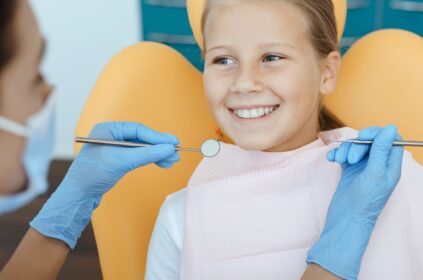
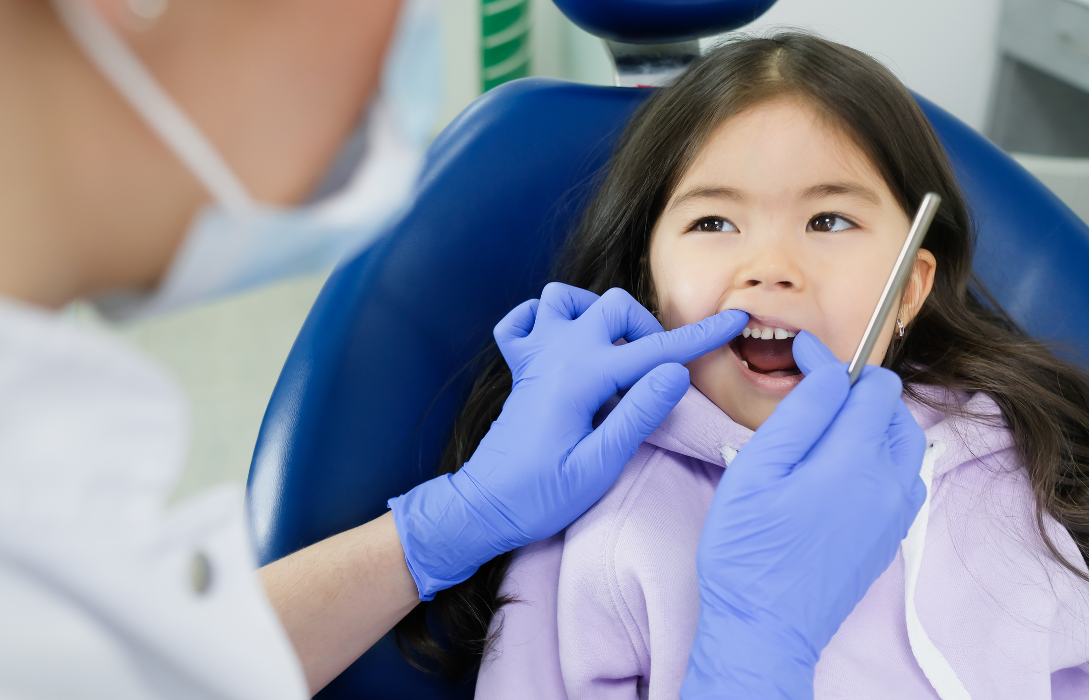
Early children’s dentistry is one of the most impactful steps parents can take to prepare their children for a lifetime of healthy, strong smiles. The ADA suggests that little ones see a dentist at age 1, and, let’s face it, it is one of the best things you can do for their health in the years to come. Proper preventive care influences habits, confidence, and dental development in ways that benefit kids for years.
If you’ve ever looked up pediatric dentistry near me, odds are you know how critical early care is. Yet many parents don’t understand the importance of these first visits. Here are a few reasons that matter most about issues of age.
- Protects Against Cavities And Early Tooth Decay
The teeth you will lose as a baby are temporary, but the health of those teeth has a permanent impact. Early exams help detect small cavities before they get out of control, preserving tooth structure and preventing infections. Children eat often, are snack devotees, and sometimes have difficulty brushing, so preventive care is crucial.
- Builds Lifelong Hygiene Habits
Education is one of the most significant advantages of early dental visits. Children learn how to brush and floss, and which foods are healthy. If these habits are instilled in youngsters, they become second nature, and by and large, those positive habits extend into adulthood.
- Reduces Dental Anxiety
Many people become afraid of the dentist from a young age. By exposing children to a gentle, welcoming environment from an early age, we help them learn that dental care is routine, safe, and even enjoyable. A “feel good” experience at the dentist means fewer missed appointments and healthier mouths as adults!
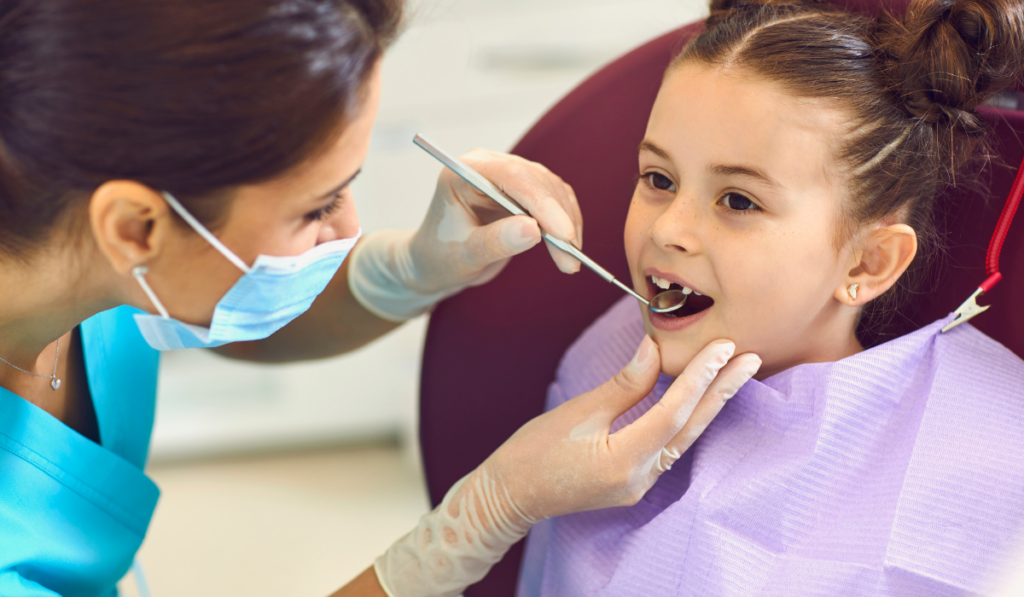
- Supports Healthy Speech Development
Baby teeth are essential for forming sounds and speaking clearly. Speech: If teeth are crooked, decayed, or if they fall out too soon, it may impact speech. Not all the functions of the mouth are known; as a general rule, regular check-ups ensure that teeth develop appropriately for good semiotic skills.
- Maintains Proper Jaw and Bite Alignment
Early dental care can track how a jaw grows and how teeth come in. The action helps dentists spot crossbites, overbites, spacing issues, and alignment problems well before they become significant orthodontic challenges. Early counsel often leads to easier treatment down the road.
- Boosts Overall Health and Well-Being
Health education is about more than, well, just teeth. Problems such as infections, impaired chewing, or chronic pain can affect a child’s nutrition, sleep, and social confidence. Maintaining oral health supports overall health in young people.
- Enables Early Intervention
Early testing helps detect problems as soon as possible. A minor issue may need just a bit of inexpensive attention when caught early, but could be much larger and more expensive if ignored. Prevention trumps curative intervention, always.
- Promotes Proper Chewing and Nutrition
“Children need their baby teeth so they can chew, directly affecting their ability to digest food and obtain nutrients, and grow,” Dr. Miyake said. Teeth are more than white squares at the nether end of your face that allow you to eat correctly.
- Provides Professional Cleanings
There is some truth to that, but even the most dedicated of parents can’t eliminate plaque and tartar at home. Cleanings remove buildup, prevent gum problems, and cut the risk of early gum disease. It also provides kids with that “clean mouth” feeling that they instinctively want to preserve.
- Offers Fluoride Treatments and Sealants
Fluoride fortifies developing enamel; sealants shield back molars from cavity-causing bacteria. These are simple, painless treatments that provide long-term protection, especially for children who are still learning to brush.
- Builds a Trust Relationship Between Child and Dentist
Children who see a dentist regularly establish a relationship of comfort and familiarity. By doing so, they are taught to express concerns, understand instructions, and practice self-care for their oral hygiene. This trust stays with them into adolescence and adulthood.
- Lowers Lifetime Treatment Needs
My colleagues and I have been urging other federal officials, particularly those in the law enforcement community, to support these early steps to avoid bigger problems down the line. By treating decay, bite misalignment, or hygiene challenges early, children grow up requiring less complex treatments. In the end, an early start saves time, pain, and money.
Frequently Asked Questions
- When should my child have their first dental visit?
By 1 year of age, or within 6 months after the eruption of the first tooth.
2.Why do baby teeth matter so much?
Yes, they reserve space for permanent teeth, aid speech, and enable children to chew properly.
- Is fluoride safe for children?
Yes. Professionally applied fluoride is safe, effective, and necessary for enamel reinforcement. - Does a trip to the dentist at an early age reduce the need for braces?
Not always, but early detection may help prevent or minimize the need for costly fixed orthodontic treatment later on. - How frequently should children go to the dentist?
Usually, every six months, unless the dentist advises otherwise.
As a side note, the long-term effects of starting young
Deciding to make your child’s early dental care a priority will be one of the best gifts you can give them. The nature of those first visits forms their habits, confidence, oral development, and health in ways that stretch well into adulthood. And when you search for pediatric dentistry near me, you are taking the first step toward securing a positive, lifelong relationship between your child and their smile.
If you want your child to grow up with strong teeth, healthy habits, and a fearless attitude toward the dentist’s office, early care isn’t just lovely; it’s necessary.