
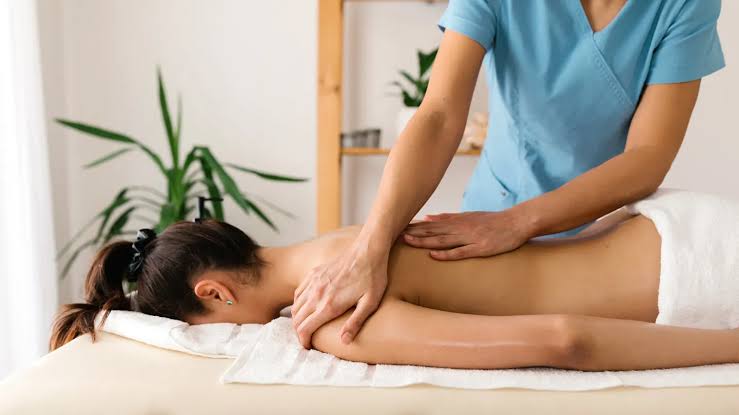
Modern life asks a great deal from the body. Hours spent sitting at a desk, repetitive movements, demanding workouts, long commutes, and daily stress can all contribute to tight muscles and physical fatigue.
While massage is often viewed as an occasional luxury, it can also be part of a thoughtful wellness routine. A personalized session provides time to slow down, reconnect with the body, and address areas that may need focused attention.
This is the central idea behind Holistic Massage Therapy looking beyond one isolated symptom and considering how movement, lifestyle, stress, posture, and individual preferences may influence the way a person feels.
What Makes a Massage Holistic?
A holistic approach recognizes that every client arrives with a different body, routine, comfort level, and wellness goal.
One person may need gentle, flowing techniques to unwind after a stressful week. Another may prefer focused pressure on areas affected by repetitive work, exercise, or prolonged sitting. Some clients may benefit from combining massage with assisted stretching, reflexology, or cupping.
Instead of following the same routine for every appointment, Personalized Massage Therapy begins with a conversation.
A therapist may ask about:
- Areas of tightness or sensitivity
- Previous injuries or health concerns
- Daily activity levels
- Work posture and repetitive movements
- Exercise and recovery routines
- Preferred pressure
- Current stress levels
- Goals for the session
These details help shape an experience that feels relevant to the person receiving it.
Supporting Relaxation During Stressful Periods
Stress does not exist only in the mind. It may also be experienced physically through raised shoulders, a tight jaw, shallow breathing, headaches, or difficulty relaxing.
A massage session creates a quiet environment where the body has an opportunity to slow down. Gentle pressure, steady movements, and a comfortable setting may promote relaxation and help reduce the feeling of physical tension.
According to Mayo Clinic, massage may help reduce stress, lessen muscle tightness, and increase relaxation.
This makes Massage Therapy For Stress Relief a practical option for people who feel physically affected by demanding schedules, work responsibilities, or everyday pressure.
Massage should not replace mental health treatment when professional support is needed. However, it may complement other healthy practices such as quality sleep, movement, breathing exercises, and time away from digital distractions.
Massage for Everyday Muscle Discomfort
Muscles may feel sore or tight for many reasons. Exercise, physically demanding work, poor ergonomics, repetitive movements, or remaining in one position for too long can all contribute.
Massage For Muscle Pain may focus on areas where the client experiences tension or soreness. Pressure and techniques should always be adjusted according to comfort, health history, and the nature of the concern.
Research on massage for pain is mixed. A 2024 systematic review published in JAMA Network Open found that some conclusions supported benefits for pain, but much of the available evidence was rated as low or very low certainty. Massage is therefore better viewed as a complementary wellness option rather than a guaranteed treatment.
Persistent, severe, or unexplained pain should always be evaluated by a qualified healthcare professional.
Addressing Back, Neck, and Shoulder Tension
The back, neck, and shoulders are common areas of concern, particularly for people who work at computers or regularly use mobile devices.
Back Discomfort
Prolonged sitting, limited movement, lifting, and physical activity may contribute to back tightness. Massage For Back Pain can be tailored to the surrounding muscles, but the therapist should be informed about injuries, diagnosed conditions, or symptoms such as numbness and weakness.
Neck Tightness
Neck tension may develop from screen positioning, stress, sleep posture, or repetitive movement. Massage For Neck Pain may use careful, controlled pressure around the neck, upper back, and related muscle groups.
Shoulder Tension
Shoulders often carry the physical effects of stress and poor posture. Massage For Shoulder Pain may focus on tight muscles around the upper back, shoulder blades, and chest while remaining within the client’s comfort level.
Massage should not be performed directly over an acute injury, unexplained swelling, or an area that requires medical assessment.
Wellness Support for Office Workers
Desk-based work may appear physically easy, but remaining seated for long periods can place continuous demands on the body.
Common concerns among office professionals include:
- Rounded shoulders
- Upper-back tightness
- Stiff hips
- Neck discomfort
- Wrist and forearm tension
- Reduced mobility
- Stress related muscle guarding
Massage For Office Workers may focus on the areas most affected by desk posture. When combined with workstation improvements, movement breaks, and appropriate stretching, massage can become one part of a broader wellness routine.
Simple habits between sessions can also help. Consider changing positions regularly, adjusting screen height, relaxing the shoulders, and taking short walking breaks throughout the day.
Massage and Athletic Recovery
Athletes and active individuals place different demands on their muscles depending on the sport, training intensity, and recovery schedule.
Massage For Athletes may be used to support relaxation, address post-exercise soreness, or focus on muscle groups heavily involved in training.
The goal and timing of the session matter. Deep pressure immediately before intense physical activity may not suit everyone, while a lighter session may be preferred when the goal is relaxation.
Clients should tell their therapist about recent workouts, injuries, competitions, and recovery concerns before the session begins.
Swedish or Deep Tissue Massage?
The best technique depends on the client’s goals and comfort level.
Swedish massage commonly uses longer, flowing movements and lighter to moderate pressure. It may suit someone whose main priorities are relaxation, general tension relief, and a calming full body experience.
Deep tissue massage generally uses slower, more focused pressure to work with deeper muscle and connective tissue. It may be selected when a client has persistent tightness or specific areas that require attention.
Understanding Swedish Massage Vs Deep Tissue Massage can help clients choose a starting point, but a session does not always need to follow only one method. A therapist may blend techniques based on how the body responds.
One of the commonly discussed Benefits Of Deep Tissue Massage is its ability to provide focused work for areas of long held muscle tension. However, stronger pressure is not automatically more effective. A productive session should remain within the client’s comfort level.
For people seeking Deep Tissue Massage In Leesburg, communicating pressure preferences and relevant health information can help the therapist create a safer and more comfortable experience.
Reflexology as a Focused Wellness Practice
Reflexology applies intentional pressure to specific areas of the feet, hands, or head. Some people select it because they prefer a fully clothed session or want focused work without receiving a traditional full body massage.
A session may provide a quiet opportunity to relax while attention is given to specific reflex areas. Those considering Reflexology In Leesburg can discuss their comfort level and wellness goals before the appointment.
Claims that reflexology can diagnose or cure medical conditions should be treated cautiously. It is best approached as a complementary wellness practice rather than a replacement for medical care.
Cupping as a Massage Add-On
Cupping involves placing cups on the skin to create suction. Depending on the approach, cups may remain stationary or move across an area.
Some clients use cupping alongside massage for areas of tightness. Temporary circular marks can occur after a session, so clients should understand what to expect beforehand.
Anyone considering Cupping Therapy In Leesburg should share information about skin sensitivity, medications, bleeding conditions, and relevant health concerns with the practitioner.
Cupping may not be appropriate for everyone, and it should only be performed by someone with suitable training.
How Assisted Stretching Complements Massage
Massage focuses primarily on soft tissue, while assisted stretching introduces guided movement through a comfortable range of motion.
A stretch-focused session may be useful for people who feel stiff after sitting, exercising, traveling, or performing repetitive activities.
Stretch Therapy Leesburg Va services may include assisted movements selected according to the client’s comfort, flexibility, and mobility goals. Stretching should feel controlled and supportive rather than forced.
Massage and stretching can complement each other, but neither should be used to push through sharp pain or an acute injury.
How Often Should You Schedule a Massage?
There is no universal schedule that works for everyone.
The right frequency may depend on:
- Your wellness goals
- Activity level
- Work routine
- Stress levels
- Budget
- Response to previous sessions
- Recommendations from healthcare professionals
Some people schedule appointments occasionally when they need time to relax. Others incorporate sessions into a regular self care routine.
A Professional Massage Therapist can discuss your goals and help you select an appropriate session style, but should not promise to cure a medical condition or pressure you into an unnecessary schedule.
Preparing for Your Massage Session
A little preparation can make the experience more comfortable.
Before your appointment:
- Share relevant health conditions and injuries
- Mention pregnancy or recent medical procedures
- Discuss medications that may affect bruising or sensitivity
- Explain areas you want addressed or avoided
- Communicate your preferred pressure
- Ask questions about unfamiliar techniques
During the session, speak up if the pressure, temperature, positioning, or technique feels uncomfortable. A massage should be adapted to you.
Afterward, notice how your body responds and follow any reasonable aftercare guidance provided by your therapist.
When Massage May Not Be Appropriate
Massage generally has a low risk of complications when performed appropriately by a trained practitioner, but it is not suitable for every person or situation.
Consult a healthcare professional before booking if you have concerns involving:
- Blood clots or clotting disorders
- Blood thinning medication
- Recent fractures
- Severe osteoporosis
- Open wounds or burns
- Acute inflammation
- Recent surgery
- Serious illness
- High risk pregnancy
- Unexplained or worsening pain
Massage is a complementary wellness service. It should not delay medical evaluation or replace treatment recommended by a qualified healthcare provider.
Creating a Wellness Experience Around Your Needs
A meaningful massage session is not defined only by pressure or technique. It begins with feeling heard and receiving care shaped around your comfort and goals.
People searching for Therapeutic Massage In Leesburg may benefit from choosing a provider that offers multiple approaches rather than a fixed routine.
The Wellness Loft Co provides therapeutic massage, Swedish and deep tissue techniques, reflexology, cupping, assisted stretching, and other holistic services in Leesburg, Virginia. Sessions can be adapted around relaxation, muscle tension, mobility, and personal wellness preferences.
Whether you need a peaceful reset after a demanding week or focused attention for areas of everyday tightness, Wellness Massage In Leesburg can become a thoughtful part of a balanced self care routine.