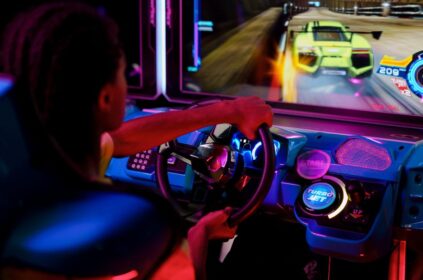
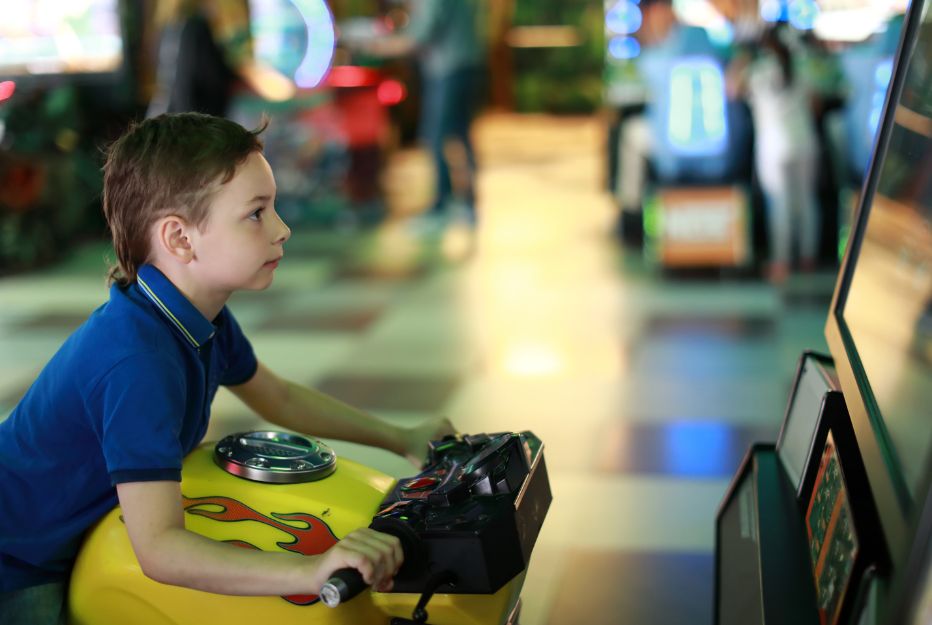
Children today have many ways to play, learn, and stay active. However, not all activities provide the same level of excitement and physical involvement. Traditional games can be fun, but many children now look for experiences that combine movement, competition, and technology. This is where a Sports Simulator for Kids stands out.
A sports simulator creates an interactive environment where children can enjoy sports-based activities in a safe and exciting way. Instead of simply pressing buttons on a controller, they become active participants in the game. Moreover, these systems can introduce children to different sports while helping them develop important skills.
This article explains what makes a sports simulator more engaging than traditional games, how it benefits children, and why it is becoming a popular choice for families, schools, and event organizers.
Interactive Play Creates Better Engagement
One of the biggest differences between traditional games and a Sports Simulator is the level of interaction involved.
Active Participation Instead of Passive Play
Many traditional games require children to sit for long periods while looking at a screen. Although these games can be entertaining, they often provide limited physical activity.
A Sports Simulator encourages movement. Children swing, throw, kick, or react to challenges depending on the activity. As a result, they feel more connected to the game and remain engaged for longer periods.
Real Sports Experiences
A Sports Simulator allows children to experience sports in a realistic setting. Whether they are practicing soccer, baseball, golf, or another activity, they can enjoy challenges that feel similar to real-life sports.
Moreover, this realistic experience makes the activity more exciting because children can see their actions directly affect the outcome of the game.
A Sports Simulator Helps Build Important Skills
Entertainment is important, but many parents also want activities that support learning and development.
Improved Hand-Eye Coordination
Children improve their hand-eye coordination when they interact with sports-based challenges. Timing movements correctly helps them develop better control and accuracy.
This skill is valuable not only in sports but also in everyday activities and school tasks.
Better Focus and Concentration
A Sports Simulator often requires children to pay attention to targets, scores, and game objectives. As they practice, they learn how to focus for longer periods.
Furthermore, many games include different levels of difficulty, encouraging children to stay motivated and continue improving.
Confidence Through Achievement
Children enjoy feeling successful. When they reach goals, improve scores, or complete challenges, they gain confidence.
Unlike some traditional games that focus only on winning, many simulator activities reward progress and effort. Consequently, children feel encouraged to keep trying and learning.
More Variety Than Traditional Games
Another reason a Sports Simulator is highly engaging is the wide variety of activities it can offer.
Multiple Sports in One System
Traditional games often focus on one theme or style of play. Conversely, a Sports Simulator can provide access to multiple sports and activities from a single setup.
Children can enjoy baseball one day, soccer the next, and golf after that. This variety helps prevent boredom and keeps the experience fresh.
Suitable for Different Ages
Many sports simulators can be adjusted to match different skill levels. Younger children can enjoy beginner-friendly challenges, while older kids can try more advanced activities.
As a result, families with multiple children often find these systems useful because everyone can participate.
Year-Round Entertainment
Weather can sometimes limit outdoor sports. Rain, extreme heat, or cold temperatures may prevent children from playing outside.
A Sports Simulator solves this problem by providing indoor entertainment throughout the year. Therefore, children can remain active regardless of weather conditions.
Encouraging Social Interaction
Many parents worry that children spend too much time playing alone. Fortunately, sports simulators often support group participation.
Friendly Competition
Children enjoy competing with friends and family members. A Sports Simulator creates opportunities for healthy competition that keeps everyone involved.
Moreover, children learn valuable lessons about teamwork, sportsmanship, and respect while playing together.
Family Bonding Opportunities
Families often struggle to find activities that appeal to everyone. Sports simulators provide shared experiences that bring family members together.
Parents, siblings, and children can take turns participating, creating enjoyable memories while staying active.
A Fun Blend of Technology and Physical Activity
Technology continues to play a major role in children’s lives. However, many parents want activities that balance screen time with movement.
Combining Learning and Entertainment
A Sports Simulator blends digital technology with physical action. Children enjoy modern gaming features while remaining physically engaged.
This combination creates a unique experience that many traditional games cannot provide.
Keeping Kids Motivated
Children are naturally attracted to interactive technology. When physical activity becomes part of a game, they are often more willing to participate.
As a result, a Sports Simulator can help children stay active without feeling like they are exercising.
FAQs
Q: What is a Sports Simulator for Kids?
A: A Sports Simulator for Kids is an interactive system that allows children to participate in virtual sports activities while using real physical movements.
Q: Is a Sports Simulator suitable for all age groups?
A: Yes. Most sports simulator systems offer adjustable difficulty levels, making them suitable for younger children and older kids.
Q: Can a Sports Simulator help children stay active?
A: Yes. Many activities require movement, helping children improve coordination, balance, and overall physical activity levels.
Q: How is a Sports Simulator different from traditional games?
A: A Sports Simulator combines technology with real physical actions, while many traditional games involve mostly sitting and using a controller.
Final Thought
A Sports Simulator for Kids offers much more than simple entertainment. It combines physical activity, skill development, social interaction, and exciting technology into one engaging experience. Moreover, it provides children with opportunities to learn, compete, and stay active while having fun.
Traditional games will always have a place in children’s entertainment. However, a Sports Simulator creates a more immersive and interactive experience that encourages movement and participation. For families, schools, and event organizers looking for an activity that blends excitement with development, a sports simulator is an excellent choice.