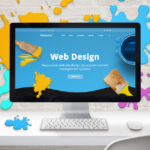
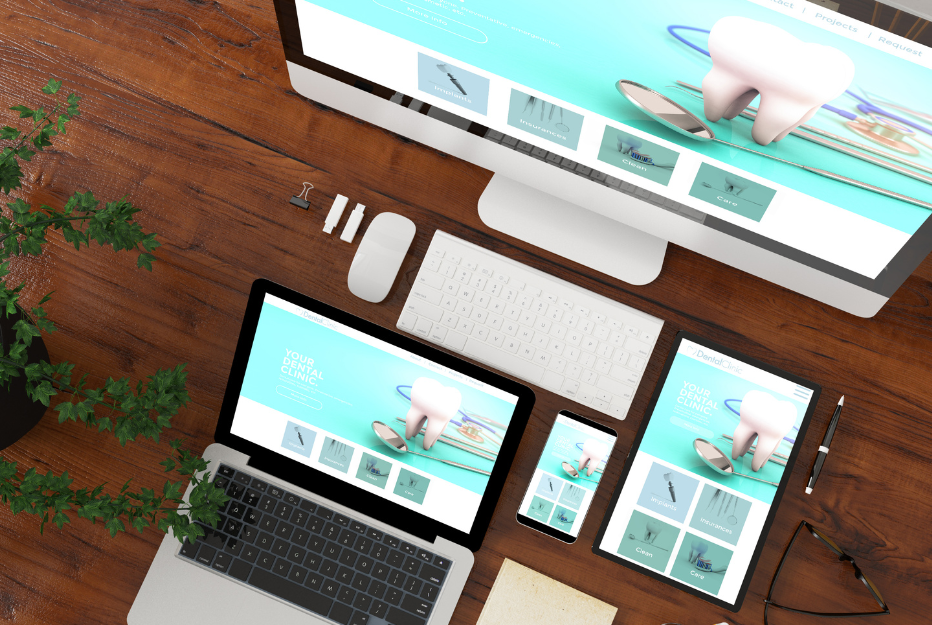
In today’s digital-first world, your dental practice’s website is often the first “room” a patient walks into. It is no longer enough to have a simple digital brochure that lists your address and phone number. To grow in a competitive local market, you need a high-performing platform that actively turns curious browsers into scheduled appointments.
A professional dental website acts as a 24/7 receptionist. It builds immediate trust, answers pressing clinical questions, and removes the friction that often stops a person from booking their first visit. If your site feels outdated or difficult to navigate, potential patients will likely click away to a competitor who offers a smoother online experience.
In this article, we will explore the seven essential elements that transform a standard dental site into a powerful patient acquisition tool.
1. High-Contrast, Strategic Calls to Action (CTAs)
The primary goal of your website is to get the patient into the chair. If a visitor has to hunt for a way to contact you, they probably won’t. Clear Calls to Action (CTAs) are the signposts that guide users toward the next step in their journey.
Strategically placed, high-contrast buttons like “Schedule Your Appointment” or “Start Your Virtual Consultation” are essential. These should stand out visually from the rest of your color palette. For maximum impact, place at least one primary CTA “above the fold”—the area visible on a screen before a user starts scrolling.
Furthermore, implementing a sticky header ensures that your phone number and booking button remain visible at the top of the screen as the user reads through your services. This constant accessibility reduces the effort required to take action.
2. Mobile-Responsive and Speed-Focused Design
With nearly 80% of local searches for “dentists near me” occurring on mobile devices, your site must function flawlessly on smartphones. A site that looks great on a desktop but breaks on a mobile screen will lose patients instantly.
A mobile-responsive design adjusts your layout to fit any screen size. This includes “thumb-friendly” navigation, where buttons and links are large enough to be easily tapped without zooming in.
Speed is equally critical. Research shows that websites taking longer than three seconds to load see a massive spike in abandonment rates. Google also prioritizes fast-loading sites in its search rankings. Optimizing images and utilizing clean coding practices can help ensure your professional dental website stays ahead of the curve.

3. Online Appointment Scheduling and Digital Forms
Modern patients value convenience above almost everything else. Many people prefer to book their healthcare appointments late at night or during work breaks when they cannot make a phone call.
Integrating a 24/7 online booking tool allows patients to see available time slots and secure their spot instantly. This eliminates the “phone tag” that often happens with traditional booking methods.
Additionally, providing digital “New Patient Forms” on your site is a massive win for patient experience. When a patient can complete paperwork at home on their own device, it reduces their time in the waiting room and streamlines your office’s administrative workflow. You can find more tips on optimizing dental workflows here.
4. High-Quality, Authentic Imagery
Trust is the foundation of the dentist-patient relationship. Using generic stock photos of people with perfect “Hollywood” smiles can actually hurt your credibility because they feel impersonal and staged.
To build a real connection, invest in original photography of:
- Your actual clinical staff and front-desk team.
- The interior of your office and the comfort of your waiting room.
- High-technology equipment you use (like 3D scanners or digital X-rays).
A “Smile Gallery” or “Before and After” section is also vital. These galleries provide tangible proof of your expertise and help patients visualize the results you can achieve for them. For a deeper look at how branding affects patient perception.

5. Patient Reviews and Social Proof
Before a new patient chooses you, they want to know what others think. Reviews are the “social proof” that validates your clinical skill and bedside manner.
Embedding a live Google Review feed directly onto your homepage or service pages shows that your practice is active and well-regarded. Video testimonials are even more persuasive; seeing a real person talk about how you fixed their toothache or improved their confidence carries more weight than a paragraph of text.
Pro Tip: Always encourage your satisfied patients to leave a review on Google or Yelp shortly after their appointment while the positive experience is fresh in their minds.
6. Educational Content and Dedicated Service Pages
Patients visit your site with specific problems—a chipped tooth, yellowing enamel, or missing molars. To convert them, you must provide specific solutions.
Each major service, such as dental implants, Invisalign, or emergency dentistry, should have its own dedicated page. These pages should use patient-focused language rather than dense clinical jargon. Focus on the benefits of the treatment:
- How long will the procedure take?
- Is it painful?
- What is the recovery like?
Answering these “booking-intent” questions positions you as an authority and an empathetic provider. It also helps your SEO by allowing you to rank for specific long-tail keywords like “Invisalign treatment in (Your City).”
7. Security and HIPAA Compliance
In the healthcare sector, data security is non-negotiable. Patients are sharing sensitive personal and health information through your contact forms. If your site isn’t secure, you risk legal issues and a loss of professional reputation.
Ensure your professional dental website has an SSL certificate (the “HTTPS” in your URL) and that all booking tools are fully HIPAA-compliant. This level of transparency extends to your financial information as well. Clearly displaying insurance providers you accept and offering various payment options—like CareCredit or in-house membership plans—removes financial surprises and makes the “yes” much easier for the patient.
Conclusion: Turning Clicks into Consultations
Building a professional dental website is an investment that pays for itself through increased patient volume and better brand loyalty. By focusing on mobile speed, authentic imagery, and the convenience of online booking, you create an environment where patients feel comfortable choosing your practice.
Remember, your website is never truly “finished.” It requires regular updates, fresh patient reviews, and ongoing SEO adjustments to stay relevant in local search results.