
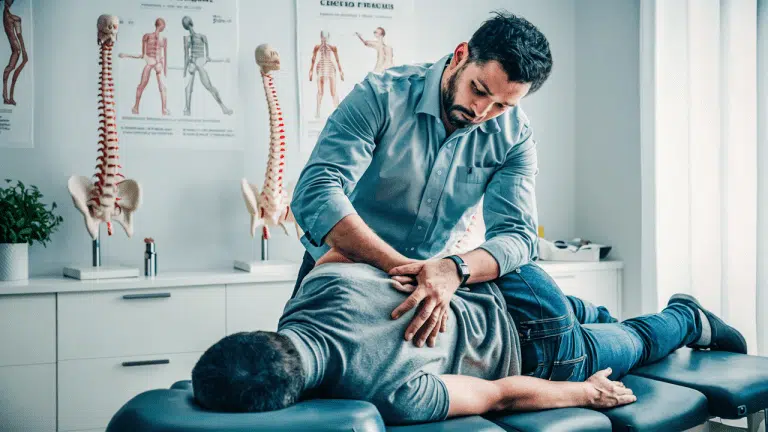
Back pain, neck stiffness, recurring headaches, and movement limitations can affect work, exercise, sleep, and everyday activities. While occasional discomfort may improve with rest, persistent or recurring symptoms often require a more complete evaluation.
Many people visit a chiropractor hoping for immediate relief. However, a thoughtful chiropractic approach involves more than performing the same adjustment for every patient.
Corrective Chiropractic Care generally describes a structured approach that examines posture, movement, spinal function, health history, and individual symptoms before developing a care plan.
The goal should not be to make unrealistic promises. It should be to understand the patient’s situation, determine whether chiropractic treatment is appropriate, and create a responsible path forward.
What Is Corrective Chiropractic Care?
Corrective care is often used to describe chiropractic treatment that follows a planned process rather than a single symptom-focused visit.
The process may include:
- A detailed health history
- Discussion of current symptoms
- Orthopedic and neurological screening
- Posture and movement evaluation
- Spinal examination
- Imaging when clinically appropriate
- A report explaining the findings
- Clearly defined treatment goals
- Periodic progress evaluations
- Home movement or lifestyle recommendations
A Corrective Chiropractor should explain what was found, why a particular treatment is being recommended, and what realistic outcomes a patient may expect.
The term “corrective” does not guarantee that every structural difference can be permanently changed. Results vary according to the condition, duration of symptoms, general health, activity level, and individual response to care.
How Is It Different From a Quick Adjustment?
A routine Chiropractic Adjustment typically involves controlled force applied to a joint to improve movement or address a mechanical restriction.
Adjustments may be useful within an appropriate treatment plan, but they should not be performed without considering the patient’s health history and symptoms.
Corrective care takes a broader view. Instead of asking only where the patient hurts, the chiropractor may also examine:
- How the person stands and moves
- Whether symptoms are linked to particular activities
- How work posture affects the body
- Whether an old injury may be relevant
- Which areas are restricted or sensitive
- Whether further medical evaluation is needed
- How progress will be measured
The adjustment becomes one possible part of care rather than the entire strategy.
What Does the Research Say?
Research has focused primarily on spinal manipulation for musculoskeletal conditions, particularly back and neck pain.
According to the National Center for Complementary and Integrative Health, spinal manipulation may lead to small improvements in pain and function for some people with acute or chronic lower-back pain. Research also suggests that manipulation or mobilization may help certain individuals with neck pain, although study quality and results vary.
These findings do not mean chiropractic treatment works for every person or every condition. It is one of several conservative options that may be considered alongside exercise, physical therapy, medication, lifestyle changes, or other medical care.
Responsible Chiropractic Care should remain evidence-informed, individualized, and coordinated with other healthcare professionals when necessary.
The Importance of a Detailed Assessment
Pain can arise from muscles, joints, discs, nerves, injuries, medical conditions, or a combination of factors. Similar symptoms may have very different causes.
Before beginning treatment, a chiropractor should ask about:
- When the symptoms started
- What makes them better or worse
- Previous injuries and procedures
- Current medications
- Existing health conditions
- Changes in strength or sensation
- Work and exercise habits
- Previous treatment attempts
- Personal goals
This information helps the provider determine whether chiropractic treatment may be appropriate or whether the patient should be referred for medical testing or another form of care.
When Are Digital X-Rays Used?
X-rays can provide useful information in selected situations, but imaging should have a clear clinical purpose.
A Digital X Ray Chiropractor Coral Springs provider may use imaging to evaluate structural concerns, previous trauma, suspected degeneration, or other findings that could influence treatment.
However, imaging is not necessary for every case of uncomplicated back or neck pain. The decision should consider the patient’s history, examination findings, age, symptoms, and current clinical guidelines.
When X-rays are appropriate, they should be explained in plain language. Patients should understand:
- Why the images were recommended
- What the images show
- What they cannot show
- How the findings affect the treatment plan
- Whether another medical professional should be involved
Imaging should support clinical decision-making rather than be used to create fear.
Creating a Personalized Care Plan
A Personalized Chiropractic Treatment Plan should be built around the individual rather than a fixed number of visits given to every patient.
The plan may consider:
- The type and duration of symptoms
- Examination findings
- Functional limitations
- Patient goals
- Previous treatment
- Work and daily activities
- Exercise level
- General health
- Response to initial care
The provider should establish measurable goals, such as improving a particular movement, reducing interference with daily activities, or helping the patient return to an appropriate exercise routine.
Progress should be reviewed periodically. If the patient is not improving, the plan may need to be changed, paused, or coordinated with another healthcare provider.
Moving Toward Data-Informed Treatment
Data Driven Chiropractic Care uses information from the patient’s history, physical examination, movement assessment, imaging when justified, and ongoing progress reviews.
This approach can help answer practical questions:
- What movements currently feel limited?
- Which activities trigger symptoms?
- Has function improved since treatment began?
- Are symptoms becoming less frequent?
- Is the current plan producing meaningful progress?
- Does another provider need to be involved?
Data should guide treatment without reducing the patient to a posture score or X-ray image. The patient’s comfort, function, goals, and lived experience also matter.
Understanding Structural Chiropractic Care
Structural Chiropractic Care focuses on how joints, posture, and movement patterns may relate to a patient’s symptoms or functional limitations.
A chiropractor may evaluate the spine, pelvis, shoulders, and other connected areas rather than focusing only on the exact location of discomfort.
However, normal human bodies are not perfectly symmetrical. Small differences in posture or alignment do not automatically mean something is damaged.
A responsible provider should distinguish between findings that may be clinically relevant and normal variations that do not require treatment.
Can Chiropractic Care Help With Back Pain?
Lower-back pain is one of the most common reasons people seek chiropractic care.
A Back Pain Chiropractor Coral Springs Fl provider may assess movement, joint function, muscle tension, work posture, exercise habits, and potential nerve-related symptoms.
Depending on the findings, care may include adjustments, mobilization, education, movement recommendations, or coordination with other providers.
Seek prompt medical care when back pain occurs with:
- New bowel or bladder problems
- Numbness around the groin or saddle area
- Progressive leg weakness
- Fever
- Significant trauma
- Unexplained weight loss
- A history of cancer
- Severe or rapidly worsening symptoms
These warning signs may require urgent medical evaluation rather than routine chiropractic treatment.
Chiropractic Care for Neck Pain
Neck discomfort may be related to prolonged screen use, an injury, joint irritation, muscle tension, or other conditions.
A Neck Pain Chiropractor Coral Springs provider should evaluate the patient carefully before recommending treatment, especially when symptoms follow trauma or include dizziness, severe headache, weakness, or numbness.
Treatment may use different levels of force depending on the patient. Not every neck complaint requires high-velocity manipulation.
The NCCIH notes that temporary soreness, stiffness, discomfort, or headache may occur after spinal manipulation. Serious complications are rare, but patients should be informed about potential risks, particularly with manipulation involving the neck.
Open communication and informed consent are essential.
What About Sciatica?
Sciatica generally refers to pain associated with irritation of the sciatic nerve. Symptoms may travel from the lower back or buttock into the leg and may include tingling, numbness, or weakness.
A Chiropractor For Sciatica Coral Springs should first determine whether the symptoms appear appropriate for conservative care.
Some people with leg pain may benefit from a combination of education, appropriate movement, exercise, and manual treatment. Others may require diagnostic testing, medication, injections, surgical evaluation, or emergency care.
Progressive weakness, loss of bowel or bladder control, or numbness in the saddle area requires immediate medical attention.
Posture Is Only One Part of the Picture
People often associate chiropractic treatment with posture correction, but posture is influenced by many factors, including habit, strength, mobility, pain, work setup, fatigue, and individual anatomy.
A Posture Correction Chiropractor Coral Springs may evaluate how a person sits, stands, and moves. Recommendations could include workstation changes, movement breaks, mobility exercises, strength work, or other strategies.
The goal should not be to force every person into one “perfect” posture. A more realistic objective is helping the patient move comfortably, vary positions, and reduce unnecessary strain during daily activities.
A Whole Body Chiropractic Perspective
A Whole Body Wellness Chiropractor considers how sleep, activity, stress, nutrition, work demands, and recovery habits may influence musculoskeletal health.
This does not mean chiropractic treatment can cure unrelated medical diseases. Rather, it recognizes that a patient’s symptoms exist within the context of their everyday life.
A broader care discussion may include:
- Sleep habits
- Workstation ergonomics
- Exercise and recovery
- Movement frequency
- Lifting technique
- Stress management
- Hydration and nutrition
- Referrals to appropriate professionals
This approach can help patients understand the habits that may support or interfere with their progress.
What Is Sacro Occipital Technique?
The Sacro Occipital Technique is a system used by some chiropractors to evaluate and address relationships involving the pelvis, spine, cranium, and nervous system.
Depending on the practitioner and patient, SOT methods may include:
- Pelvic blocking procedures
- Low-force adjustments
- Cranial techniques
- Postural assessment
- Muscle and reflex-based evaluations
Evidence for individual SOT procedures is more limited than the broader research on spinal manipulation for musculoskeletal pain. Patients should ask how a recommended technique relates to their findings and treatment goals.
A provider offering Sot Chiropractic Coral Springs services should explain the method, alternatives, possible risks, and expected purpose before treatment.
Choosing a Chiropractor in Coral Springs
When searching for a Chiropractor Coral Springs Fl, look beyond rankings and promotional claims.
Consider whether the provider:
- Holds an active professional license
- Takes a complete health history
- Performs an appropriate examination
- Explains findings clearly
- Discusses potential benefits and risks
- Uses imaging only with a clinical reason
- Provides realistic expectations
- Creates an individualized plan
- Measures progress
- Coordinates with other providers
- Refers patients when chiropractic care is not appropriate
The NCCIH chiropractic guide recommends asking about a chiropractor’s education, licensure, specialized training, treatment experience, expected number of sessions, and costs.
The Best Chiropractor In Coral Springs is not simply the provider making the strongest promises. The right choice is someone who listens, communicates clearly, prioritizes safety, and develops care around your individual needs.
Chiropractic Care at Align Chiropractic Spine and Wellness
Align Chiropractic Spine and Wellness provides corrective and holistic chiropractic services in Coral Springs, Florida.
The practice is led by Dr. Nick Libian, a Doctor of Chiropractic with a background in neuroscience and biomedical science. The clinic’s approach includes spinal examinations, in-house digital X-rays, PostureRay analysis, individualized care plans, and SOT methods when appropriate.
Patients interested in Holistic Chiropractic Care In Coral Springs can begin by discussing their symptoms, previous treatment, health history, and personal goals.
Chiropractic treatment cannot guarantee permanent correction or complete relief. However, a careful evaluation, an individualized plan, realistic expectations, and regular progress reviews can help patients make informed decisions about their spine and musculoskeletal health.