
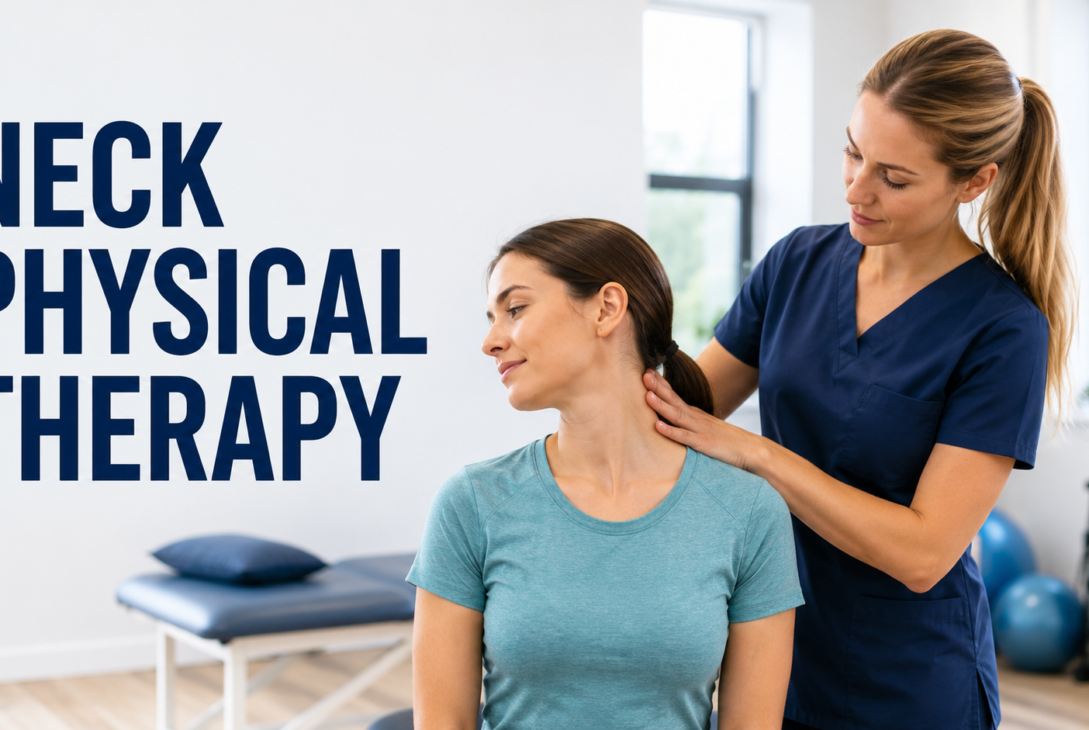
Neck pain can make it difficult to work, drive, sleep, exercise, or turn your head comfortably. Some people experience localized stiffness, while others develop headaches, shoulder discomfort, or symptoms that travel into an arm or hand.
Although mild soreness may improve with time and activity modification, persistent or recurring symptoms deserve a more complete evaluation. Neck Physical Therapy uses movement assessment, individualized exercise, education, and appropriate hands-on care to address functional limitations associated with neck pain.
Treatment should be based on the cause of the symptoms, the patient’s medical history, and the activities they want to resume. A strategy that works for one person may not be appropriate for another.
Understanding Neck Pain
The neck, also called the cervical spine, consists of vertebrae, joints, discs, muscles, ligaments, and nerves that work together to support the head and allow movement.
Because the neck is highly mobile, discomfort can develop from several different structures or contributing factors.
Neck pain may feel like:
- General stiffness
- A dull ache
- Sharp pain during movement
- Muscle tightness
- Pain near the shoulder blades
- Difficulty turning the head
- Headaches beginning near the neck
- Burning or tingling
- Pain traveling into an arm
- Weakness in the shoulder, arm, or hand
Symptoms alone do not always identify their exact cause. This is why a professional assessment may be more helpful than choosing exercises based only on where the pain is felt.
What Commonly Causes Neck Pain?
Several conditions and everyday factors may contribute to neck discomfort.
Muscle Strain
Muscles can become irritated after prolonged activity, unfamiliar exercise, heavy lifting, sudden movement, or staying in one position for an extended period.
Muscular symptoms may include tightness, tenderness, fatigue, and discomfort during movement.
Prolonged Sitting and Screen Use
Working at a computer or frequently looking down at a phone may increase fatigue in the neck and shoulder muscles.
Posture is not simply a matter of sitting perfectly straight. Even a seemingly ideal position can become uncomfortable when held for too long. Regular movement and position changes are often more practical than attempting to maintain one rigid posture throughout the day.
Joint Stiffness
The joints of the cervical and upper thoracic spine may become stiff or sensitive. This can limit the ability to turn, bend, or extend the neck comfortably.
Age Related Changes
Discs and joints naturally change over time. These changes may or may not cause symptoms. Imaging findings should be interpreted alongside the patient’s history, examination, and functional limitations.
Nerve Irritation
A nerve in the neck may become irritated or compressed, potentially causing pain, numbness, tingling, or weakness in the shoulder, arm, or hand.
Symptoms traveling into the arm require careful evaluation because they may involve the neck, shoulder, peripheral nerves, or another condition.
Injury
Car accidents, falls, contact sports, or sudden movements may strain muscles, ligaments, joints, or other structures.
Neck pain following significant trauma should be medically evaluated before beginning routine exercise.
Stress and Muscle Tension
Stress does not mean neck pain is imaginary. Emotional strain, poor sleep, guarded movement, and sustained muscle tension may influence how symptoms are experienced and managed.
A complete treatment plan should consider physical and lifestyle factors when they are relevant.
When Should You See a Physical Therapist for Neck Pain?
A Physical Therapist for Neck Pain may be able to help when symptoms affect movement or everyday function.
Consider an evaluation when:
- Neck pain lasts longer than expected
- Symptoms repeatedly return
- Your neck movement is becoming more limited
- Pain affects sleep
- Driving or checking blind spots is difficult
- Computer work increases symptoms
- Headaches appear connected to neck movement or tension
- You have difficulty returning to exercise
- Previous self-care has not produced progress
- You feel uncertain about safe activity
- Symptoms affect your shoulder or upper back
- Your doctor recommends rehabilitation after an injury or procedure
Early evaluation may help identify modifiable limitations before the problem begins affecting more activities.
When Neck Pain Requires Medical Attention
Physical therapy is not the appropriate first step for every type of neck pain.
Seek prompt medical attention when neck pain is associated with:
- Significant trauma
- Severe or rapidly worsening pain
- New or progressive weakness
- Loss of coordination
- Difficulty walking
- Loss of bladder or bowel control
- Difficulty breathing or swallowing
- Fever with severe neck stiffness
- Chest pain or shortness of breath
- Facial drooping or difficulty speaking
- Loss of consciousness
- An intense or unusual headache
MedlinePlus also recommends contacting a healthcare professional when neck pain is accompanied by arm or hand numbness, tingling, or weakness, or when symptoms persist despite self-care.
A physical therapist should recognize warning signs and refer the patient for appropriate medical evaluation when necessary.
What Happens During a Neck Physical Therapy Evaluation?
Effective Physical Therapy for Neck Pain begins with a detailed assessment.
The therapist may ask:
- When did the pain begin?
- Was there an injury?
- Where are the symptoms located?
- Do symptoms travel into the arm?
- Are numbness or tingling present?
- Which movements make the problem better or worse?
- Does the pain affect sleep?
- Are headaches or dizziness involved?
- What type of work do you perform?
- Which sports or exercises do you participate in?
- What treatment have you already tried?
- What activities do you want to resume?
The physical examination may evaluate:
- Neck range of motion
- Shoulder movement
- Upper-back mobility
- Muscle strength
- Grip strength
- Postural tolerance
- Sensation
- Reflexes when appropriate
- Joint mobility
- Muscle tenderness
- Functional movement
- Coordination
- Balance when relevant
The therapist should explain what the findings may mean without using fear-based language. The objective is to identify how the symptoms affect movement and develop an appropriate treatment plan.
Why the Shoulder and Upper Back May Be Evaluated
Neck function is closely connected to the shoulders and upper back.
Muscles extending from the neck attach to the shoulder blades, ribs, and upper spine. Limited shoulder or upper-back movement may increase the amount of motion demanded from the neck during daily activities.
A neck evaluation may therefore include:
- Shoulder range of motion
- Scapular control
- Upper-back rotation
- Chest and shoulder muscle flexibility
- Arm strength
- Reaching movements
- Work-related positions
This does not mean every neck problem originates in the shoulder. It means the therapist considers connected areas that may influence the patient’s symptoms or functional limitations.
What Can Neck Pain Therapy Include?
A personalized Neck Pain Therapy plan may combine several methods.
Mobility Exercises
Gentle mobility exercises may be used to improve the ability to turn, bend, or extend the neck.
The therapist should select movements according to the patient’s symptoms. Repeatedly forcing the neck into a painful direction is not automatically helpful.
Strengthening
Strengthening may address the neck, shoulders, upper back, and trunk.
A program may focus on:
- Deep neck muscles
- Shoulder-blade stabilizers
- Rotator cuff muscles
- Upper-back muscles
- Trunk control
- General physical conditioning
Exercises should progress as the patient becomes stronger and more confident.
Manual Therapy
Hands-on techniques may be used to address selected joint or soft-tissue restrictions.
Manual therapy can include:
- Soft-tissue techniques
- Joint mobilization
- Assisted movement
- Myofascial techniques
- Gentle stretching
Manual treatment may provide temporary symptom relief or improve movement, but it should usually support an active rehabilitation program.
Postural and Workplace Guidance
A therapist may review how the patient sits, stands, uses a computer, handles a phone, or performs repetitive work.
Recommendations may include:
- Adjusting monitor height
- Supporting the forearms
- Changing positions regularly
- Taking movement breaks
- Reorganizing frequently used equipment
- Avoiding prolonged downward viewing
- Varying seated and standing tasks
The goal is not to find one perfect posture. It is to reduce unnecessary strain and make movement throughout the day easier.
Activity Modification
Complete rest is not always the best response to neck pain. However, repeatedly performing an activity that sharply worsens symptoms may also delay progress.
A physical therapist can help the patient decide:
- Which activities can continue
- Which tasks need temporary modification
- How much discomfort is acceptable
- When to increase activity
- How to return gradually to exercise or sport
Home Exercise Program
A home program reinforces the work completed during appointments.
It may include:
- Mobility exercises
- Strengthening
- Stretching
- Movement breaks
- Position changes
- Relaxation or breathing strategies
- Gradual activity goals
The patient should understand how to perform each exercise and what to do if symptoms change.
Can Physical Therapy Help Neck-Related Headaches?
Some headaches may be associated with neck movement, muscle tension, joint sensitivity, or prolonged positioning.
A physical therapist may evaluate:
- Neck mobility
- Upper-back movement
- Muscle tenderness
- Shoulder control
- Head and neck positions
- Workstation habits
- Headache triggers
- Activities that reproduce symptoms
Treatment may include mobility work, strengthening, hands-on care, education, and strategies for reducing sustained positions.
Not every headache is caused by the neck. Sudden severe headaches, headaches following trauma, or headaches associated with confusion, fainting, fever, weakness, vision changes, or difficulty speaking require medical assessment.
What About Pain Traveling Into the Arm?
Neck-related nerve irritation may produce:
- Arm pain
- Tingling
- Numbness
- Burning
- Hand symptoms
- Weakness
- Changes in coordination
These symptoms may also arise from shoulder conditions or peripheral nerve problems.
A therapist should assess where the symptoms travel, which movements affect them, and whether strength, sensation, or reflexes have changed.
Progressive weakness or significant loss of hand or arm function should not be managed through unsupervised exercises alone.
Is Dry Needling Used for Neck Pain?
Some physical therapists use dry needling as one component of treatment for selected muscular symptoms or trigger points.
Dry needling involves inserting thin, sterile needles into specifically selected tissues. It is different from acupuncture in its assessment framework and clinical purpose.
The technique may not be suitable for every patient. Before treatment, the therapist should discuss:
- Why it is being recommended
- What the patient may feel
- Possible temporary soreness
- Potential risks
- Relevant medical conditions
- Medication use
- Available alternatives
Dry needling should not replace movement, strengthening, education, or a broader rehabilitation plan when those elements are needed.
How Long Does Neck Physical Therapy Take?
There is no universal treatment timeline.
The expected duration may depend on:
- Cause of the symptoms
- Severity
- Symptom duration
- Previous injuries
- General health
- Work demands
- Exercise goals
- Neurological involvement
- Consistency with the home program
- Response to initial treatment
Someone with a recent muscle strain may progress differently from a person recovering after surgery or managing recurring arm symptoms.
A reputable Neck Pain Physical Therapy Clinic should review progress rather than prescribing the same number of visits to every patient.
If improvement is limited, the therapist may adjust the treatment strategy or recommend further medical evaluation.
Can You Exercise With Neck Pain?
Exercise may remain possible, but the program may need temporary modifications.
Depending on the condition, a therapist may recommend changing:
- Exercise load
- Range of motion
- Repetitions
- Speed
- Overhead movements
- Contact activities
- Running or jumping
- Recovery time
- Training frequency
Exercise should not create severe pain, new weakness, increasing numbness, loss of coordination, or significant worsening that does not settle.
The objective is usually to maintain safe activity while gradually rebuilding capacity.
Everyday Habits That May Support Recovery
Small changes can complement a professional treatment plan.
Change Positions Regularly
Remaining in one position for several hours may increase stiffness and muscular fatigue. Short, frequent movement breaks can be more practical than waiting until discomfort becomes severe.
Bring Screens Closer to Eye Level
Holding a phone or tablet closer to eye level may reduce prolonged downward viewing.
Support Your Arms
Supporting the forearms while typing or reading may reduce sustained demand on the neck and shoulder muscles.
Adjust Driving Habits
Position the seat so that you can reach the steering wheel without leaning forward. If turning the head is difficult, discuss safe driving with a healthcare professional.
Review Your Sleep Setup
A pillow should support a comfortable position rather than forcing the neck sharply upward or downward. No single pillow type is best for everyone.
Avoid Aggressive Self-Manipulation
Repeatedly forcing or sharply twisting the neck may aggravate symptoms. Ask a qualified provider which movements are appropriate for your situation.
Choosing Neck Physical Therapy Near You
People often search for Neck Physical Therapy Near Me, Neck Pain Therapy Near Me, or a Neck Therapist Near Me when discomfort begins affecting everyday activities.
Location is important, but it should not be the only consideration.
When comparing providers, ask:
- Will a licensed physical therapist complete my evaluation?
- How much one-on-one time will I receive?
- Does the therapist treat neck and arm symptoms?
- How will progress be measured?
- Is manual therapy available when appropriate?
- Will I receive a personalized exercise program?
- How are headaches or neurological symptoms assessed?
- What happens if I am not improving?
- Will the therapist coordinate with my physician when necessary?
- Are treatment expectations explained clearly?
Someone searching for the Best Physical Therapy for Neck Pain Near Me should focus on clinical fit, communication, safety, and individualized care instead of relying only on advertising claims.
Neck Physical Therapy in North Charlotte
Patients searching for Neck Physical Therapy North Charlotte can explore personalized care through Uncommon Physical Therapy.
The clinic’s neck rehabilitation approach may include:
- Postural strengthening
- Mobility exercises
- Stretching
- Manual therapy
- Shoulder screening
- Dry needling when appropriate
- Activity guidance
- Individualized home exercises
The practice emphasizes meaningful one-on-one time with physical therapists instead of an assembly-line treatment model.
A Neck Pain Therapist North Charlotte should consider how symptoms affect the patient’s work, sleep, driving, exercise, and daily responsibilities—not simply record a pain score.
What to Expect at Uncommon Physical Therapy
Uncommon Physical Therapy provides outpatient orthopedic rehabilitation for patients in the Charlotte area.
Its treatment philosophy emphasizes:
- Individualized attention
- Clear communication
- Evidence-informed care
- Hands-on treatment when appropriate
- Personalized exercises
- Patient participation
- Honest expectations
- Continued support throughout rehabilitation
The practice offers a complimentary 15-minute phone conversation with a licensed physical therapist for prospective patients who want to discuss their concerns before scheduling an evaluation.
Treatment results cannot be guaranteed. Progress depends on the condition, medical history, functional goals, participation, and individual response to care.
Frequently Asked Questions
What is neck physical therapy?
Neck physical therapy is an individualized rehabilitation approach for pain, stiffness, weakness, headaches, movement limitations, and selected arm symptoms associated with the cervical region. Treatment may include exercise, education, manual therapy, and activity modification.
Can physical therapy help a stiff neck?
It may help when stiffness is related to muscular, joint, postural, or movement limitations. An evaluation is important because stiffness following trauma or accompanied by neurological or systemic symptoms may require medical care.
Can neck therapy help headaches?
Physical therapy may help selected headaches associated with neck movement, joint sensitivity, or muscular tension. Other headache types require different medical evaluation and management.
Will my therapist treat my shoulder during neck therapy?
The shoulder and upper back may be assessed because they work closely with the neck. Treatment will depend on which findings are relevant to your symptoms and goals.
Is manual therapy necessary for neck pain?
Not every patient needs manual therapy. When used, it should have a clear purpose and typically complement active exercise and education.
How many neck physical therapy appointments will I need?
The number of visits depends on the condition, symptom severity, goals, medical history, and response to treatment. Progress should be reviewed throughout care.
What should I wear to an appointment?
Wear comfortable clothing that allows the therapist to observe your neck, shoulders, and upper-back movement. Ask the clinic if you have questions about appropriate clothing.
Do I need imaging before beginning physical therapy?
Not every case of neck pain requires imaging. A healthcare professional may recommend it when the history, trauma, examination, or warning signs suggest that additional evaluation is needed.
Start Moving With Greater Comfort and Confidence
Neck pain can affect far more than the ability to turn your head. It may interfere with concentration, sleep, driving, work, exercise, and time with family.
A personalized Neck Physical Therapy plan can identify meaningful limitations, address contributing movement factors, and help patients work toward the activities that matter to them.
To discuss neck pain, stiffness, headaches, or related movement difficulties, contact Uncommon Physical Therapy.
The clinic is located at 6842 Carnegie Boulevard, Suite 205, Charlotte, NC 28211. Call (704) 803-8038 or email Info@UncommonPhysicalTherapy.com to ask questions or schedule an appointment.
The right plan does more than temporarily address symptoms. It gives you the information, exercises, and support needed to participate confidently in your recovery.