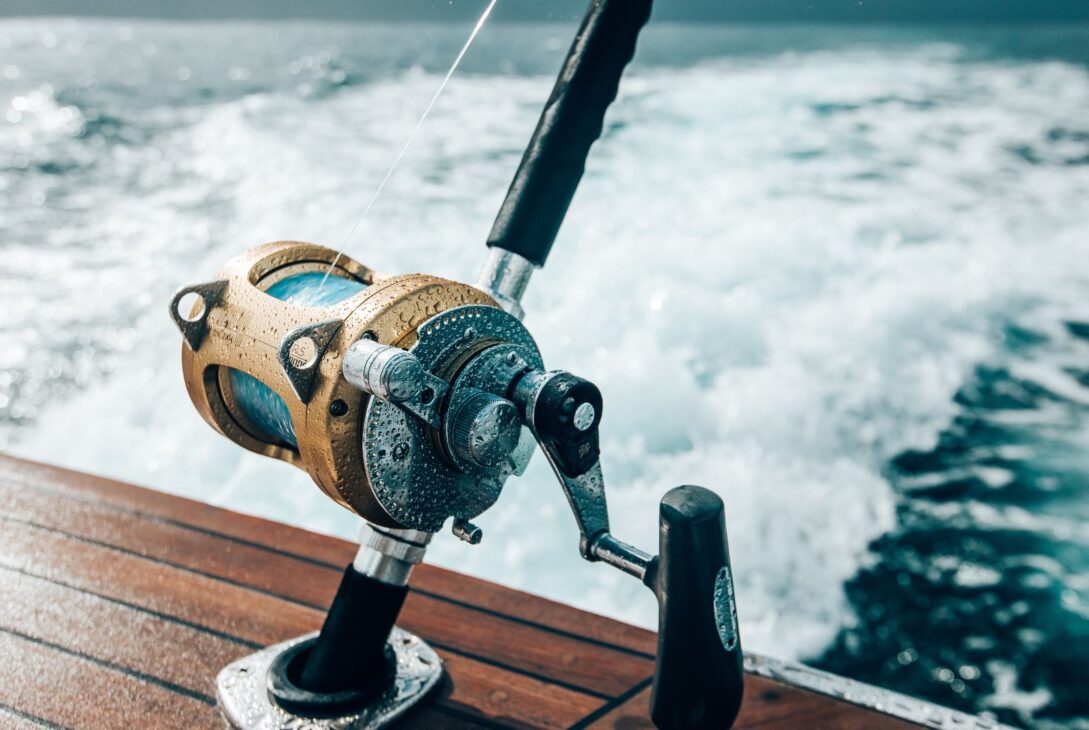
A fishing reel may contain dozens of small components, but one damaged bearing, drag washer, spring, or gear can affect the performance of the entire system.
Finding a replacement part may appear straightforward until you discover that reels from the same manufacturer can use different components depending on the model, size, production year, and configuration. A part that looks identical may have a different measurement, material, or internal specification.
Choosing the correct Fishing Reel Repair Parts requires more than matching a product photo. Anglers must correctly identify the reel, understand which component has failed, and determine whether repair should be completed at home or by an experienced technician.
Start With the Exact Reel Information
Before ordering any component, collect as much information as possible about the reel.
You may need:
- Manufacturer name
- Complete model number
- Reel size
- Serial number, when available
- Right-hand or left-hand configuration
- Approximate production year
- Part number
- A clear description of the problem
- Photographs of the damaged component
The brand name alone is not enough. A manufacturer may produce several spinning, baitcasting, conventional, and electric reels that use completely different internal systems.
If you are unsure about the model, check the reel body, spool, side plate, box, owner’s manual, or original purchase information.
Use the Reel Schematic
A schematic is an exploded diagram showing how a reel’s components fit together. Each component is normally identified with a reference number that corresponds to a parts list.
Reliable Fishing Reel Repair Manuals and schematics can help you:
- Identify the damaged component
- Confirm the correct part number
- Understand how the reel is assembled
- Recognize washers and spacers
- Prevent components from being installed in the wrong order
- Determine whether special tools may be required
A schematic should match the exact model and version of your reel. Do not assume that diagrams for similar models are interchangeable.
If the part number is unavailable, provide the supplier with the model information and a detailed description. Photographs and measurements may also help, but they should not replace the manufacturer’s specifications when those are available.
Common Fishing Reel Parts That Need Replacement
Different reel designs experience different problems, but some components are replaced more frequently than others.
Bearings
Bearings support moving parts and help create a smoother retrieve or spool rotation.
Contaminated or damaged bearings may produce:
- Grinding sounds
- Squealing
- Rough movement
- Reduced casting performance
- Excessive resistance
- Irregular spool rotation
Some bearings can be cleaned and lubricated. Others require replacement because of corrosion, pitting, deformation, or internal wear.
Drag Washers
Drag washers help create controlled resistance as line leaves the spool.
Worn or contaminated washers may cause:
- Jerky drag movement
- Sudden slipping
- Inconsistent pressure
- Difficulty adjusting the drag
- Reduced maximum drag
- Line breaking under unexpected pressure
The correct washer material and dimensions depend on the reel model.
Gears
Main gears, pinion gears, and related components operate under repeated pressure. Worn teeth, improper alignment, or contamination can produce grinding and inconsistent engagement.
A damaged gear should be inspected alongside related bearings, shafts, and support components. Replacing only one visibly worn part may not solve the underlying problem.
Handles and Knobs
Fishing Reel Handles Replacement may be required when a handle is bent, corroded, loose, cracked, or uncomfortable to use.
Before ordering, confirm:
- Shaft compatibility
- Handle length
- Right-hand or left-hand orientation
- Knob size
- Included hardware
- Clearance around the drag control and body
An oversized power handle may improve comfort for certain applications, but it must remain compatible with the reel.
Spools
Fishing Reel Spools Replacement may be considered when the spool is cracked, bent, deeply corroded, or damaged around the line-contact surfaces.
Replacement spools can also allow an angler to prepare different line types or strengths for the same reel. However, the spool must be designed for the exact model and size.
Springs, Screws, and Small Hardware
Bail springs, clutch springs, pawls, clips, screws, shims, and washers may be inexpensive, but losing or incorrectly installing one can prevent the reel from operating.
Small parts should be organized during disassembly and compared carefully with the schematic.
Metric and Decimal Bearing Sizes
Fishing reel bearings are available in many dimensions. The three measurements normally required are:
- Inside diameter
- Outside diameter
- Width
Stainless Steel Metric Bearings are measured in millimeters. Even a small difference in one dimension can prevent the bearing from fitting correctly or allow unwanted movement.
Stainless Steel Decimal Bearings may be listed using inch-based decimal measurements. These should not be selected by appearance alone.
Use a suitable measuring tool, such as a digital caliper, and compare the measurements with the manufacturer’s specifications. A bearing that is almost the correct size is still the wrong bearing.
The ball-bearing categories offered by 4 Reel Services include stainless steel, one-way, and hybrid options for different reel applications.
Understanding One-Way Bearings
One Way Bearings Fishing Reels use a clutch mechanism that allows movement in one direction while limiting it in the other.
In many reels, this component supports the anti-reverse function. A failing one-way bearing may cause:
- Handle back-play
- Delayed anti-reverse engagement
- Complete anti-reverse failure
- Slipping under pressure
- Inconsistent operation in wet conditions
A Fishing Reel One Way Clutch Bearing may fail because of contamination, corrosion, wear, or inappropriate lubrication.
Some clutch bearings require very specific servicing. Applying thick grease without checking the manufacturer’s instructions may interfere with their operation.
A technician should also inspect the sleeve, shaft, housing, and related anti-reverse components before completing a Reel Anti Reverse Bearing Replacement.
Stainless Steel or Ceramic-Hybrid Bearings?
Bearing upgrades are frequently promoted as an easy way to improve reel performance, but not every reel needs upgraded bearings.
Stainless Steel Bearings
Stainless steel bearings are widely used because they can provide a practical balance of durability, availability, and corrosion resistance.
They still require suitable care. Stainless steel does not mean completely immune to saltwater damage.
Ceramic-Hybrid Bearings
Ceramic Hybrid Reel Bearings normally combine ceramic balls with metal races.
Depending on the reel and application, they may be selected for:
- Reduced rotational resistance
- Faster spool response
- Casting-focused upgrades
- High-speed performance
- Reduced sensitivity to certain forms of corrosion
However, High Speed Reel Bearings may be noisier, require different maintenance, or provide little practical benefit in reels designed for heavy loads rather than casting speed.
A performance upgrade should match the way the reel is used. The most expensive bearing is not automatically the best choice.
Original Parts Versus Aftermarket Components
Both factory and aftermarket components may be available for certain reels.
Factory parts are designed for a specific manufacturer and model. They can reduce uncertainty involving dimensions, materials, and compatibility.
According to its service information, 4 Reel Services uses original manufacturer parts during repair when they are available. If a part has been discontinued or cannot be obtained, the company may discuss an available alternative with the customer.
Aftermarket components may be considered when:
- The original component has been discontinued
- A tested performance upgrade is desired
- A compatible replacement is produced by a reputable supplier
- The original part is unavailable
- A specialist confirms the alternative is suitable
Do not modify a critical component simply to make it fit. Grinding, drilling, bending, or forcing an incompatible part may damage the reel or create a reliability problem.
Selecting Parts for Popular Reel Brands
Every manufacturer uses its own model numbers, component designs, and parts systems.
Avet Reels
When ordering Avet Reel Parts, confirm the reel family, size, generation, speed configuration, and whether it uses a standard or Raptor-style drag system.
Common requests may include:
- Avet Fishing Reel Replacement Parts
- Avet reel drag washers
- Handle assemblies
- Bearings
- Clicker components
- Clamps and hardware
- Gear and shaft components
Two Avet reels with similar names may still require different parts, so the complete model information matters.
Accurate Reels
Accurate Reel Parts may vary according to reel size, generation, gear ratio, and single-drag or twin-drag design.
When searching for Accurate Twin Drag Reel Parts, confirm that the components are intended for the correct side and drag configuration. Drag-system parts must be installed in the correct sequence to operate properly.
Alutecnos Reels
Customers looking for Alutecnos Reel Parts should provide the exact series, size, and production information when possible.
Because some imported and specialized reel components can be difficult to identify, a professional assessment may prevent an incorrect order.
Daiwa Reels
The term Daiwa Reel Parts covers components for many spinning, baitcasting, conventional, and electric models.
Available components may include:
- Drag washers
- Gears
- Bearings
- Spools
- Handles
- Level-wind parts
- Electronic controls
- Motor components
Always use the full Daiwa model number rather than relying only on the reel’s product family.
Toadfish Reels
Toadfish Fishing Reel Parts may include drag washers, bearings, handles, spools, and model-specific repair components.
Inspect related parts when a failure occurs. For example, a damaged bearing may be connected to water intrusion or corrosion elsewhere inside the reel.
Maxel Reels
Maxel Fishing Reel Parts may be needed for drag systems, handles, gears, bearings, and other components used in heavy-duty fishing applications.
Because these reels may operate under substantial loads, repair work should include an inspection of the surrounding system rather than replacing only the visibly damaged component.
Okuma Reels
Okuma Reel Parts cover a wide range of freshwater, saltwater, spinning, conventional, and trolling reel models.
Provide the model number, size, and required component before ordering. Parts for reels with similar names may differ by production version.
Penn Reels
Many anglers maintain both modern and older Penn reels. Penn Fishing Reel Parts may include:
- Drag washers
- Bearings
- Bridge assemblies
- Gears
- Handles
- Spools
- Side plates
- Level-wind components
Penn Reel Repair Kits can be convenient, but the kit must match the exact model. A universal-looking kit may contain only some of the required components.
The 4 Reel Services Penn parts section can be used as a starting point when identifying available components.
Pure Fishing Brands
Pure Fishing Reel Parts may relate to several brands within the company’s portfolio. The manufacturer and exact reel model should always be provided because components are not universally interchangeable across those brands.
Tsunami Reels
Tsunami Fishing Reel Replacement Parts may include drag, bearing, handle, spool, and internal mechanical components.
Check the reel series carefully, particularly when a product name has been used across multiple sizes or versions.
Quantum Reels
Quantum Reel Repair Parts may be required for baitcasting and spinning reel systems, including gears, handles, bail components, drag washers, and bearings.
A model-specific schematic can make it easier to distinguish between visually similar components.
Shimano Reels
Shimano Fishing Reel Replacement Parts may vary according to reel family, size, gear ratio, and regional version.
Common categories include:
- Shimano Spinning Reel Parts
- Shimano Baitcasting Reel Parts
- Drag washers
- Handles
- Spools
- Bearings
- Gears
- Bail components
If the reel has been produced in several generations, confirm the complete model code before ordering.
Parts for Electric Fishing Reels
Electric reels contain traditional mechanical components as well as motors, wiring, controls, power connections, sensors, and electronic modules.
Daiwa Electric Reel Replacement Parts may include:
- Motors
- Power cables
- Control components
- Gears
- Displays
- Connectors
- Internal mechanical parts
Similarly, Shimano Electric Reel Parts can differ significantly between reel families and generations.
Elec-Tra-Mate Reel Parts may include drive components, switches, motors, wiring, and mounting hardware used in power-assisted fishing systems.
The 4 Reel Services electric-parts section covers Daiwa, Shimano, and Elec-Tra-Mate categories.
Because electric reels combine electrical and mechanical systems, diagnosis should be completed before parts are ordered. A reel that does not power on may have a cable, connector, switch, motor, battery, or internal control problem.
Replacing a motor without testing the surrounding system may not resolve the failure.
When Can You Repair a Reel Yourself?
A careful angler may be able to complete basic repairs when:
- The correct schematic is available
- The required tools are available
- The problem has been accurately identified
- Replacement parts are confirmed
- The reel is not under warranty
- The procedure is within the person’s mechanical ability
A repair becomes more difficult when it involves:
- Complex drag systems
- Pressed bearings
- Electric components
- Specialized tools
- Corroded or seized screws
- Multiple failed components
- Springs under tension
- Unclear washer or shim placement
- Rare or discontinued reels
Opening a reel without preparation can result in lost springs, reversed washers, damaged screw heads, or incorrect gear alignment.
If the cause of the problem is unclear, a professional diagnosis may cost less than ordering several incorrect components.
Do Not Replace Parts Without Finding the Cause
A broken component may be the result of another problem.
For example:
- A damaged gear may result from a failed bearing
- A corroded bearing may indicate water intrusion
- A worn drag washer may be contaminated with grease
- A broken bail spring may be connected to another damaged bail component
- A loose handle may involve worn threads or a damaged shaft
- A failed motor may be connected to an electrical problem
Replacing only the obvious part may provide temporary improvement without solving the cause of the failure.
A complete inspection can identify related wear and determine whether cleaning, lubrication, adjustment, or additional replacement parts are required.
Questions to Ask Before Ordering Reel Parts
Before purchasing a component, ask:
- Does this part match my exact reel model?
- Is it intended for my reel’s production version?
- Is it an original or aftermarket component?
- Does it include the required screws, washers, or hardware?
- Are special tools needed?
- Is the part new, used, or refurbished?
- Can it be returned if compatibility is confirmed incorrectly?
- Should related components also be inspected?
- Will installation affect the reel’s warranty?
- Would professional installation be safer?
Clear answers can prevent wasted money and additional damage.
Finding Fishing Reel Parts in the USA
Anglers searching for Fishing Reel Accessories USA or replacement parts should use a supplier that understands model-specific compatibility.
4 Reel Services provides reel parts, bearings, accessories, maintenance products, repair services, and professional servicing from Boynton Beach, Florida.
Its online categories include components for Avet, Accurate, Alutecnos, Daiwa, Toadfish, Maxel, Okuma, Penn, Pure Fishing, Tsunami, Quantum, Shimano, and several electric reel systems.
If a required part is not clearly listed online, customers can provide the reel make, model, part number, or component description so the team can help identify availability.
The Right Part Protects the Entire Reel
Fishing reel repair is not only about finding a component that physically fits. The replacement must match the reel’s specifications, intended load, and mechanical system.
Begin with the exact model information, consult the correct schematic, and identify why the original component failed. When the repair involves complex drag systems, electrical components, corrosion, or several damaged parts, professional assistance may be the more reliable option.
A properly selected bearing, washer, gear, handle, or spool can help return the reel to dependable service. An incorrect component can create additional wear and turn a manageable repair into a complete reel failure.
For brand-specific parts, bearings, electric reel components, or professional installation, 4 Reel Services offers both an online parts catalog and reel-repair support for anglers across the United States.